
Precast vs cast-in-situ: Rethinking construction for a faster, smarter future
Precast your future.
The construction industry today stands at a turning point. While conventional cast-in-situ methods have been the backbone of building for decades, growing pressures on time, cost, quality and sustainability are forcing developers to rethink their approach. Precast construction is no longer an alternative — it is fast becoming the preferred solution for future-ready projects.
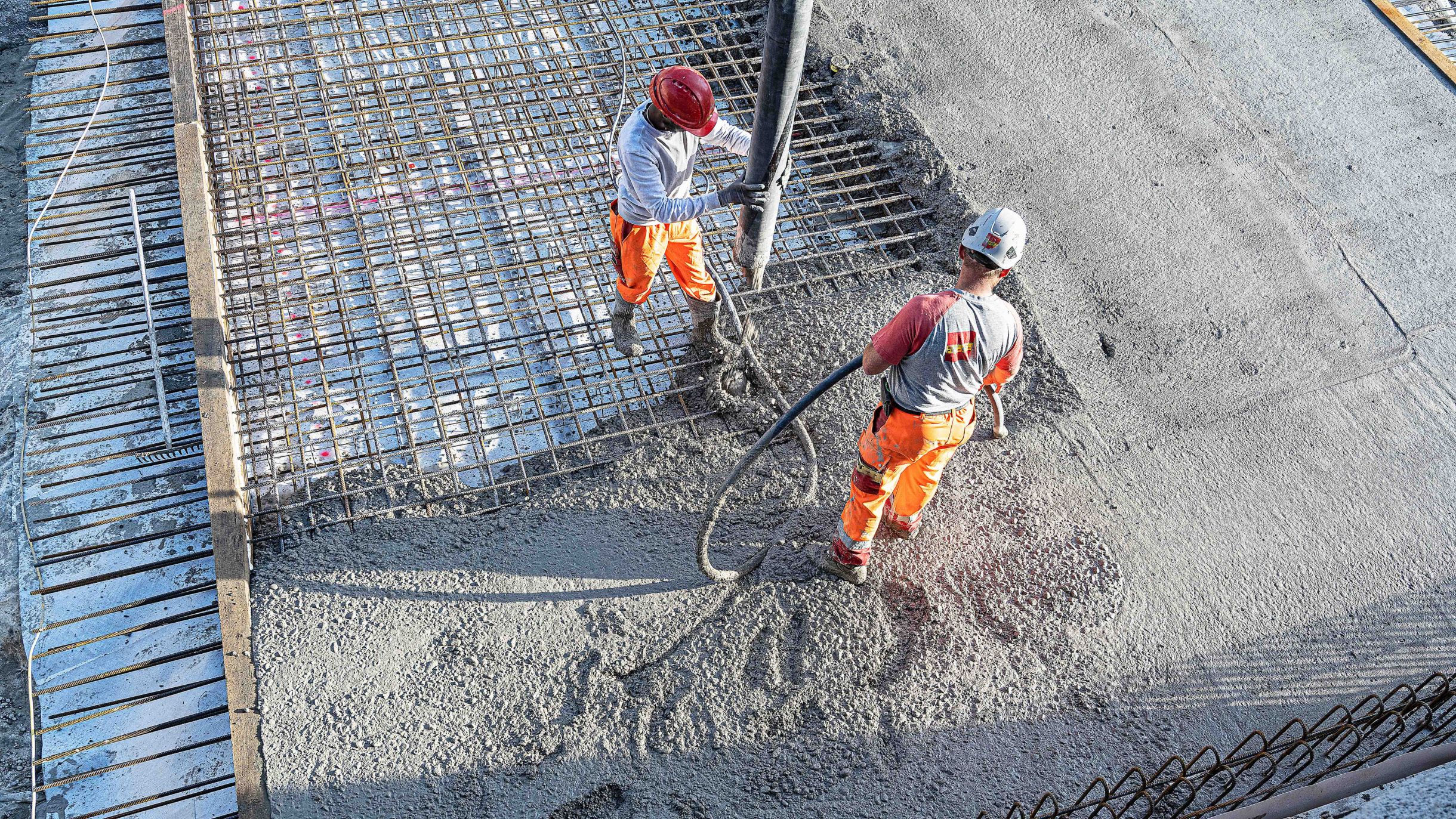
Conventional construction reflects the current reality of the industry. Across projects, a common pattern emerges: delays due to labour dependency and weather conditions, frequent cost escalations, cash flow locked over long construction cycles and quality inconsistencies across floors. These are not exceptions — they are industry realities.
Delays increasingly translate into direct business losses. They are not just technical issues — delays directly impact business performance.
Why precast changes the game
Precast construction directly addresses the biggest industry pain point — time. Projects can be completed earlier, enabling faster sales and rental revenue, lower financing costs and quicker project turnover.
But the real shift goes beyond speed.
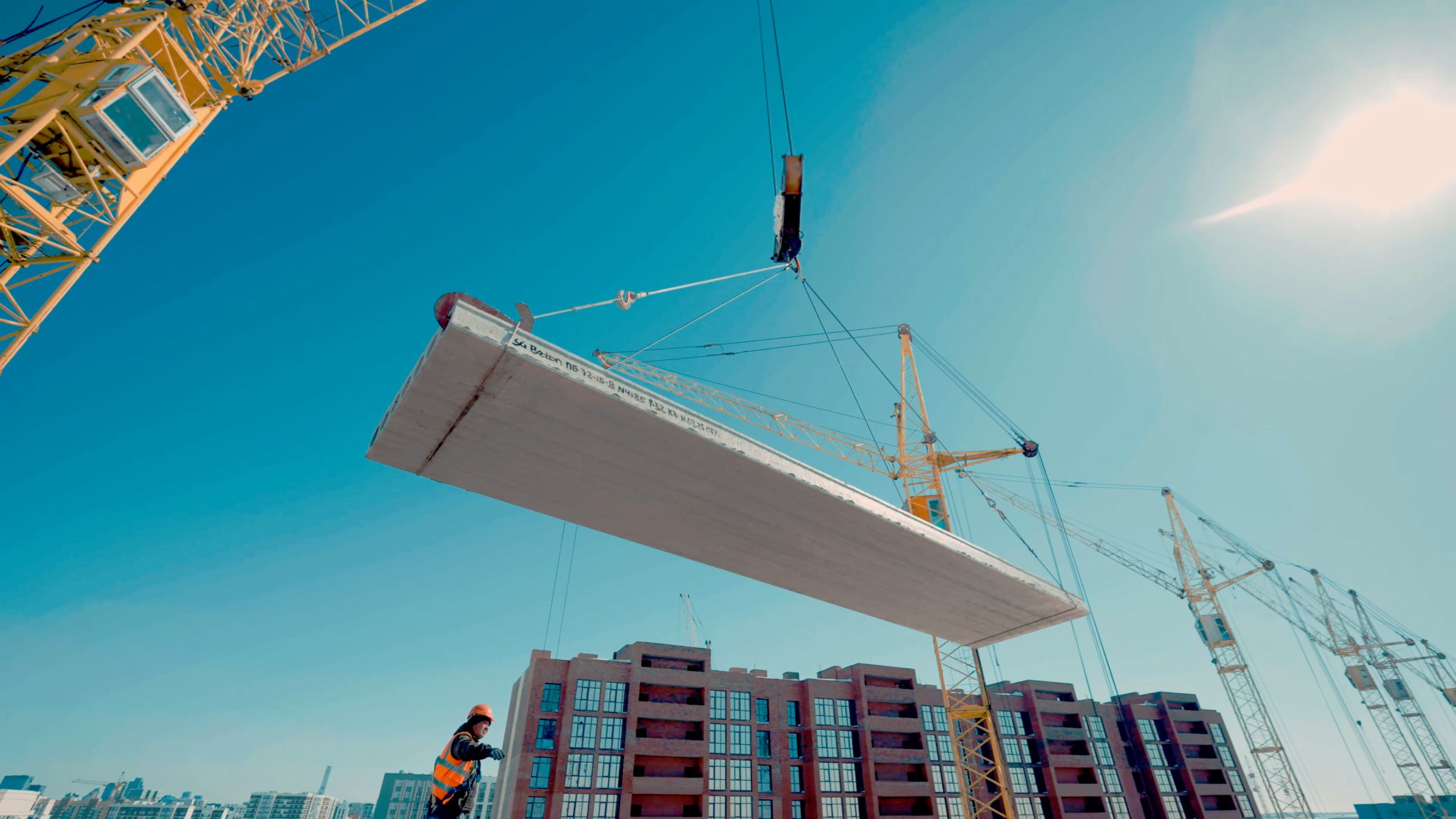
Precast fundamentally transforms how buildings are delivered — moving production from site to factory. This transition reduces labour dependency, ensures consistent, factory-controlled quality and enables predictable costs. The result is clear: higher reliability, lower execution risk and significantly faster delivery from design to completion.
At the same time, precast creates measurable long-term value. It enables lower CO₂ emissions, reduced lifecycle costs, improved durability and stronger positioning for green certifications and enhanced asset value.
Reduced risk, predictable outcomes
Precast shifts construction from site to factory. This reduces labour dependency, ensures factory-controlled quality, minimises rework and enables predictable construction costs. The result is higher reliability and lower execution risk.
Sustainability & brand advantage
Modern projects are increasingly evaluated on sustainability. Precast construction offers approximately 37% lower CO₂ emissions, reduced site disturbance and strong positioning for green building certifications. It enhances both performance and brand value.
Life cycle advantage: beyond initial cost
Precast offers lower net present value cost, higher structural lifespan and better asset valuation. With 11–12% lifecycle savings and reduced maintenance, the long-term benefits significantly outweigh initial considerations.
From design to delivery: a structured approach
Precast integrates seamlessly into project design with standardised floor plans, column layouts, and beam systems. This enables faster approvals, efficient manufacturing and streamlined site execution.
Why precast is the better choice
Selecting the right construction method is no longer just a question of execution — it is a strategic decision that directly influences project performance and long-term asset value. Developers today must balance delivery timelines, financial returns, risk exposure and sustainability requirements. Managing these factors reliably has become a key differentiator in a highly competitive market.
Precast construction offers a structured and scalable approach to meet these demands. It enables greater planning certainty, improved coordination and more controlled project delivery, resulting in better alignment between timelines, costs and investment outcomes. Rather than focusing on individual advantages, the true benefit of precast lies in its ability to optimise the entire project lifecycle — from initial planning to long-term asset performance. To better quantify these advantages, the following case study provides a direct comparison.
Case study: precast vs. cast-in-situ*
The following example summarises key results from a case study of a 104,000 sq.ft building project in India, comparing precast and conventional cast-in-situ construction across cost, construction time, lifecycle performance and sustainability, based on typical project and lifecycle cost assumptions.
Precast vs. Cast-in-Situ - 104,000 sq.ft building project, India*
| 43% faster completion | ≈135 days earlier delivery |
| 11–12% lifecycle cost saving | Improved IRR and higher long-term asset value |
| ₹100–₹120 per sq.ft cost advantage | Cost optimisation through precast construction |
| ~37% lower CO₂ emissions | Supports sustainable and green building goals |
| Factory-controlled production | Higher quality, fewer defects and minimal rework |
| Better market perception | Modern construction enhances branding and marketability |
Conclusion: the future is precast
The construction industry is under increasing pressure to deliver faster, control costs and meet higher standards of quality and sustainability. This is driving a shift away from traditional methods.
Precast construction enables faster project delivery, earlier revenue generation and more predictable outcomes. At the same time, it supports lower lifecycle costs, improved asset value and greater financial efficiency. Its factory-controlled production ensures consistent quality, fewer defects and reduced rework, while also lowering CO₂ emissions and supporting sustainable building practices.
As expectations continue to rise, precast is not just an alternative — it is becoming the new standard for efficient, reliable and future-ready construction.
Source
* Project sample report and life cycle cost (LCC) analysis for precast vs. conventional construction, prepared for MAX-truder GmbH by JATA Technowheels LLP (2026).
